FERDOSI keeps PERSIA IMMORTAL
Ferdosi.org is a digital sanctuary for Abulqasim Ferdowsi and his Shahnameh — the Book of Kings. 50,000 couplets. 1,000 years. One voice that saved a language. Explore manuscripts, heroes, art, translations and living research.
Who was Ferdowsi? Why he matters now.
Abulqasim Ferdowsi of Tus (940–1020) spent 35 years writing the Shahnameh to rescue Persian language and memory after the Arab conquest. When sultans paid him in silver instead of gold, he gave it away — but his poem gave a nation its soul back.
Ferdosi.org continues his work digitally: we digitize manuscripts, commission new English retellings, map myth to history, teach children through heroes, and connect scholars, artists and diaspora. No politics. Only poetry, craft and continuity.
Manuscript pages scanned in 4K, free to study
Artists, translators & historians in residence
The Book that refused to die
From Mongol burnings to digital clouds, the Shahnameh survived because families copied it by hand, coffee-houses sang it, and mothers named sons Rostam, Kaveh, Esfandiar.
From Tus to tomorrow
Born to a dehqan landowner family near Mashhad. Learns Arabic, Pahlavi, and the old stories of kings.
Begins versifying the Khwaday-Namag. Thirty-five years of dawn writing, farming by day, poetry by night.
60,000 distichs presented to Mahmud of Ghazni. The Persian language is reborn.
Dies in Tus. Legend says a caravan of camels with gold arrived as his body left the gate.
Ferdowsi Millenary in Tehran. Scholars worldwide gather; his mausoleum rebuilt.
Full open archive, AI-assisted collation, youth animation studio, global Naqqali nights.
Did you know?
The Shahnameh contains only ~30 Arabic loanwords per 1,000 lines — Ferdowsi purified Persian on purpose. Modern Farsi still uses his words for sun, lion, wisdom, justice.
More facts →Epics that raise children and shake kings
Mythical, Heroic, Historical — all in one poem. Start here, then dive deeper in our archive.
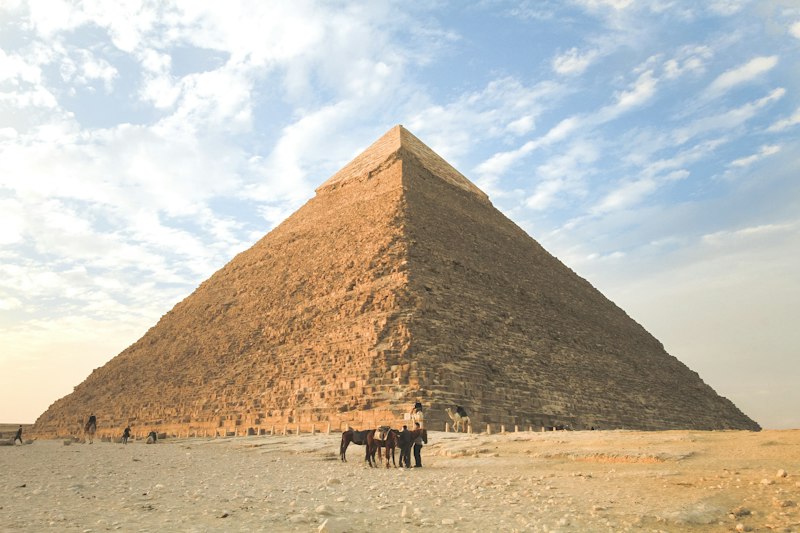
Rostam & Sohrab — father vs son
The unbeatable Rostam meets a young warrior who might be his lost son. Pride delays one question — and tragedy becomes world literature.
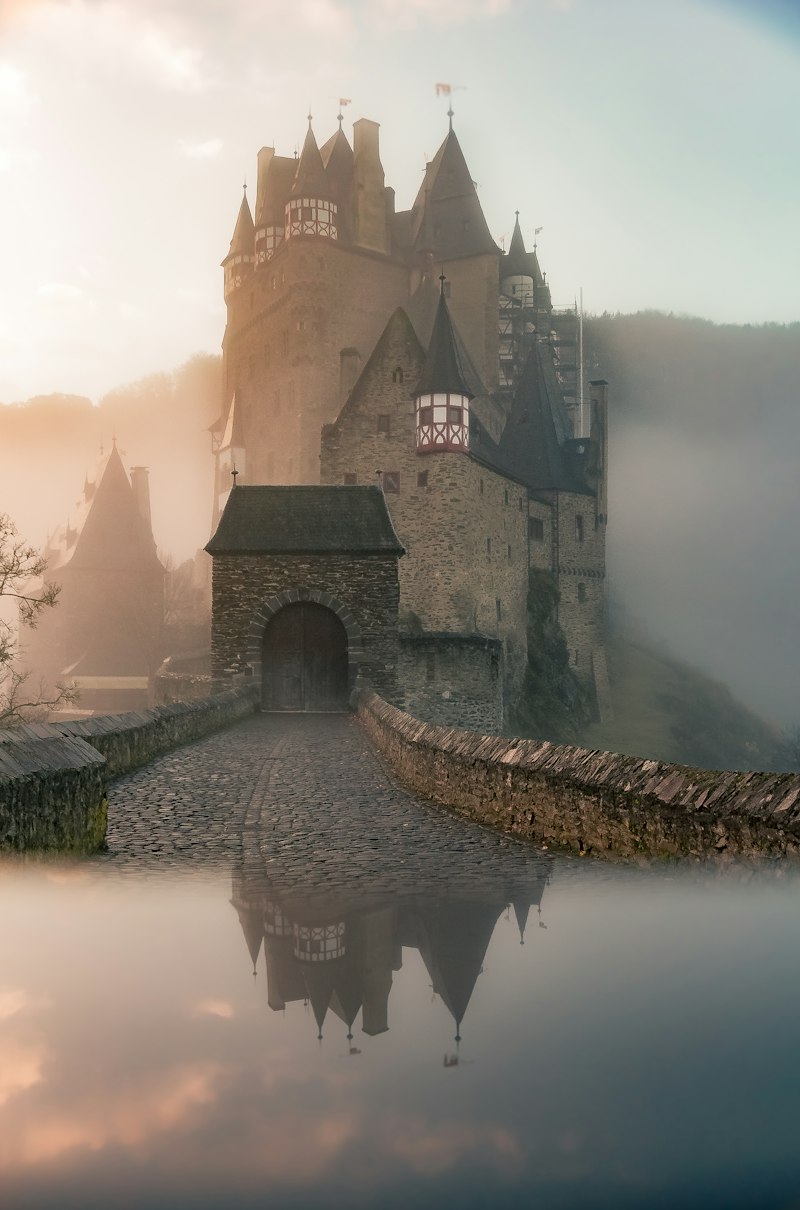
Simurgh, Zal & the fire bird
An albino child raised by a mythical bird on Mount Alborz. Healing feathers, wisdom, and the birth of Iran's greatest hero.
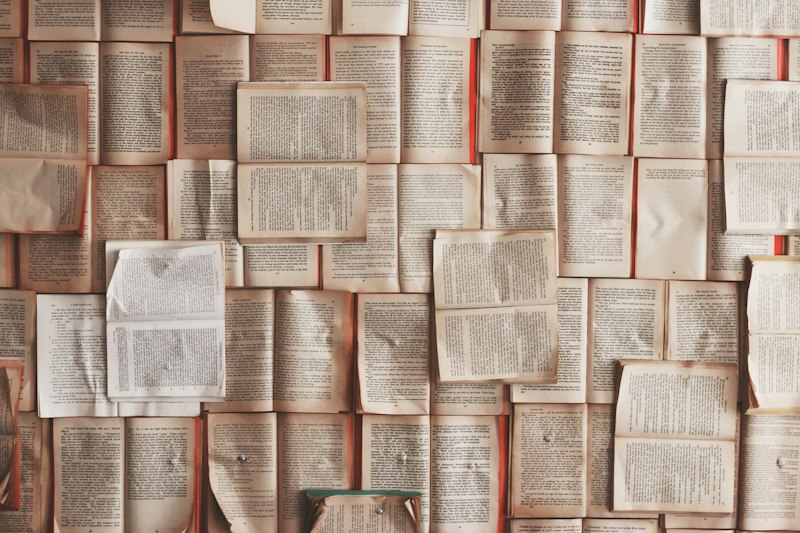
Siyavash — the prince of purity
Falsely accused, he rides through fire to prove innocence. His blood grows the flower of mourning still worn in Ashura rituals.
Which wind and rain cannot destroy.”
Miniatures, tiles, stone & light
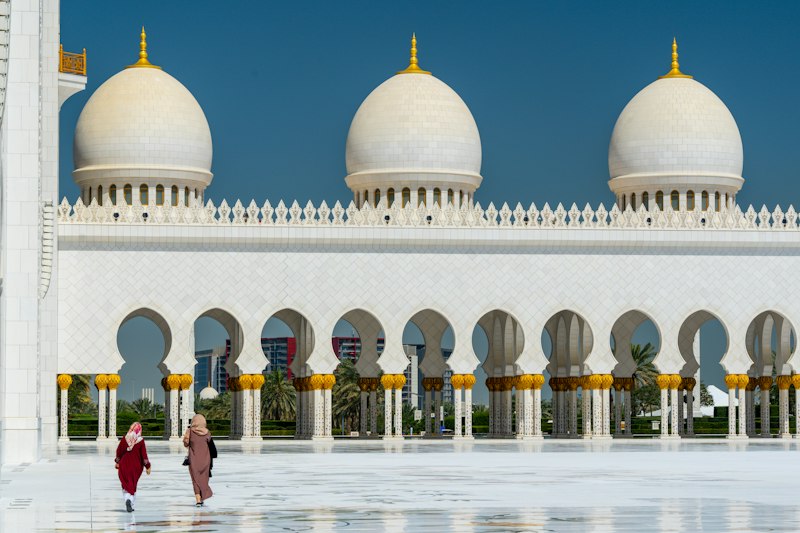
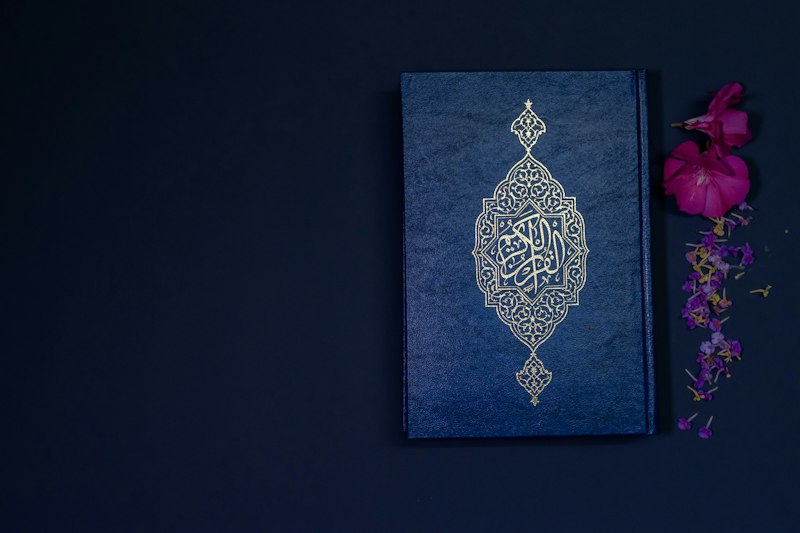
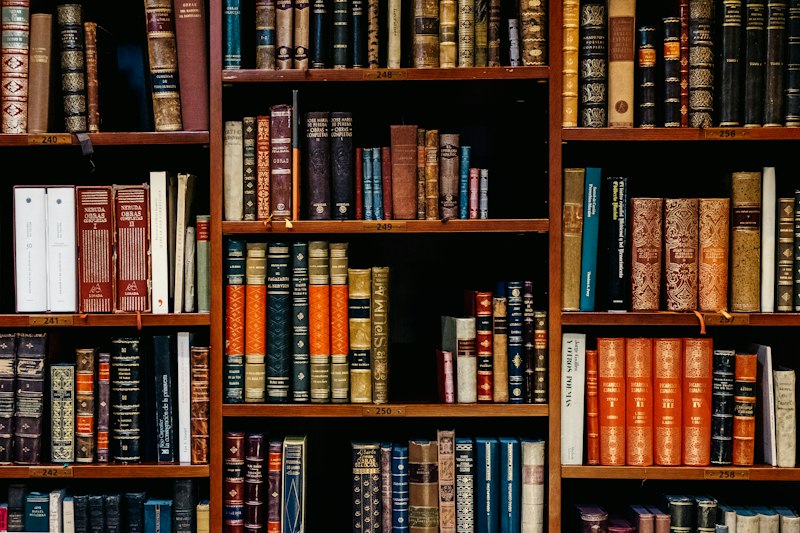
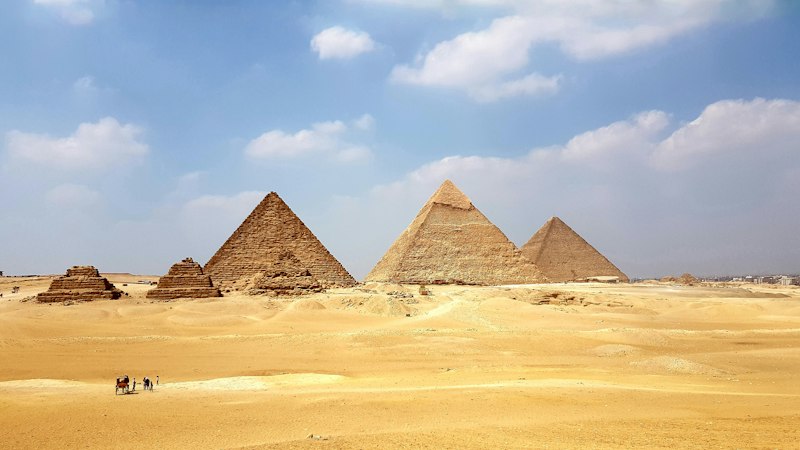
Persepolis reliefs, Isfahan domes, Shiraz manuscripts — photographed and restored by our volunteers. All free for education.
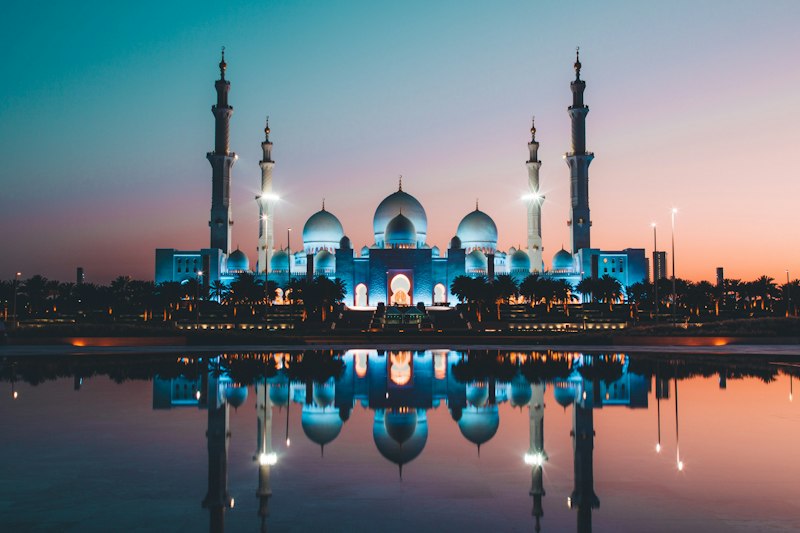
Fresh from the scriptorium
Translations, discoveries, events, youth programs. Click any story to open its full page — each article lives at its own /{{slug}}/ address.
New English verse translation in progress
Our team is preparing 12 hero tales in plain modern English with Persian side-text. First chapters open this winter.
Manuscript digitization lab
Follow restoration of a 17th-century Shiraz copy — cleaning, 4K capture, collation notes published weekly.
Naqqali Nights — live storytelling
Every Friday: a storyteller with staff and painted curtain performs Rostam tales. Free entry, children front row.
Reserve seat →Youth animation studio
Teens turn Siyavash and Gordafarid into 3-minute shorts. 40 films made, 2M views in schools.
Watch program →Scholars circle
Monthly open seminar: language, myth, history. Papers published openly, no paywall.
Join circle →Everything to begin
Is Shahnameh history or myth?
Both. It starts with gods and dragons, moves to heroes like Rostam, ends with real Sassanian kings. Ferdowsi wove folk memory into a national history — modern archaeology keeps confirming his geography.
What language should I read it in?
If you can, Persian — even simple editions. If not, start with our plain-English retellings, then try Dick Davis or Warner translations. We publish side-by-side verses for learners.
Is Ferdosi.org religious or political?
No. We are a cultural, educational archive. Shahnameh belongs to all Persian speakers — Iran, Afghanistan, Tajikistan, diaspora — and to world literature. Everyone is welcome.
Can I use images and texts for school?
Yes. All our photos, retellings and lesson plans are free for education with credit to Ferdosi.org. For commercial books or films, just write to us.
How can I help?
Transcribe a page, translate a couplet, illustrate a hero, host a reading night, or support scanning. Start at the contact form below.
Carry a verse forward
Leave your name and message — we reply with reading lists, volunteer tasks and event invites. No spam, only poetry.